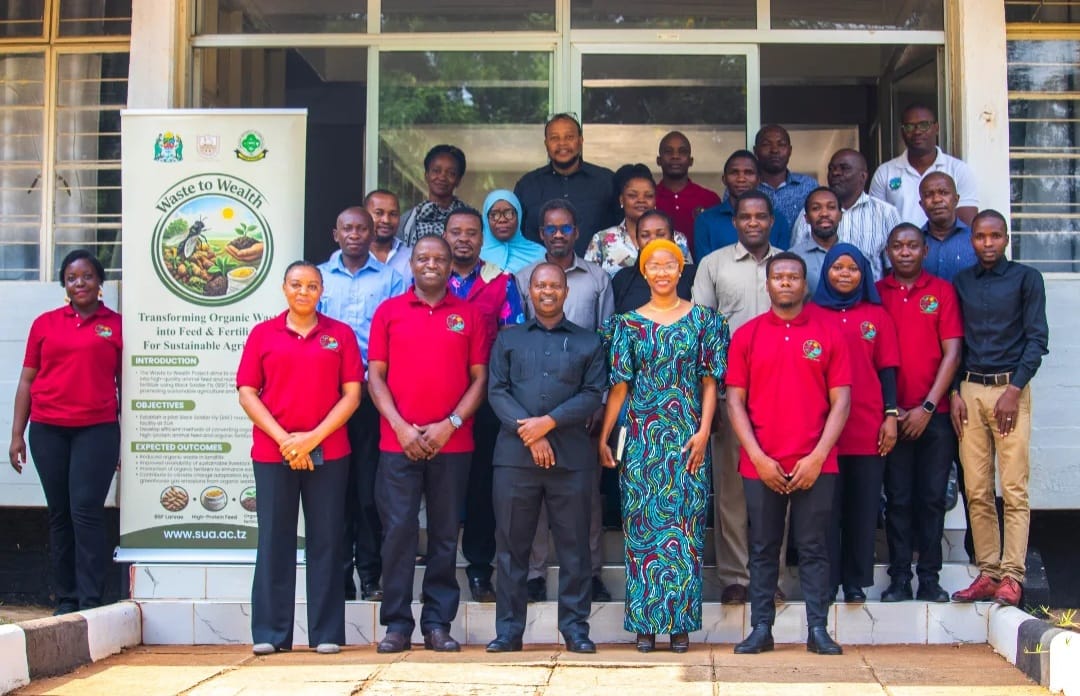
Sokoine University of Agriculture (SUA) has launched an innovative project aimed at converting organic waste into high value animal feed and organic fertilizer, contributing to climate change mitigation and the promotion of sustainable, environmentally friendly technologies. The project was officially inaugurated on Wednesday, 28 January 2026, at the ICE Hall and attracted participants from academia, research institutions and the environmental sector.
SUA Launches Project to Convert Organic Waste into Animal Feed and Organic Fertilizer
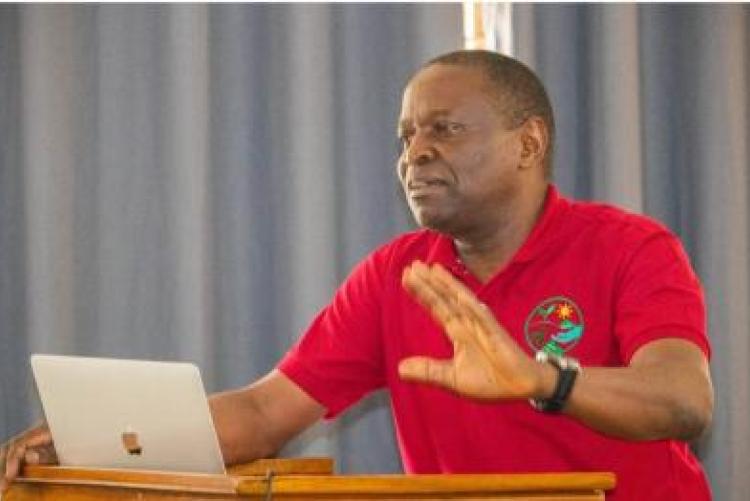
Speaking during the launch, the Principal Investigator, Prof. Robert Max of SUA, explained that the project utilizes Black Soldier Fly (BSF) technology to transform organic waste into valuable products, including nutrient rich animal feed and organic fertilizer. He noted that the technology enhances waste management efficiency, reduces environmental pollution and maximizes the economic value of organic waste that would otherwise be discarded.
Prof. Max further emphasized that the initiative reflects SUA’s strong commitment to research driven innovation, sustainable development and the application of scientific solutions to address real world challenges.
In addition to its environmental benefits, the project is expected to generate significant socio-economic impact by creating employment opportunities and supporting local entrepreneurs engaged in waste management, animal feed production, and organic fertilizer distribution. By promoting green jobs and stimulating economic activity, the initiative contributes to Tanzania’s sustainable development goals while improving community livelihoods.
Through such forward looking initiatives, SUA continues to strengthen its position as a leading centre of excellence in climate-smart solutions, advancing the green economy, environmental conservation and food security at both national and global levels.
Share this page


