Main Theme: Climate Finance-Protected Areas Conservation-Marine Resources Management Nexus: An Ecohydrology Approach
March 16th – 19th, 2026: National Carbon Monitoring Centre - Sokoine University of Agriculture, Tanzania
The 9th International Training on Ecohydrology was conducted between March 16th – 19th, 2026. This event took place at the National Carbon Monitoring Centre (NCMC), Sokoine University of Agriculture, Morogoro. After the opening ceremony, trainees and facilitators posed for a group photo (Figure 1).
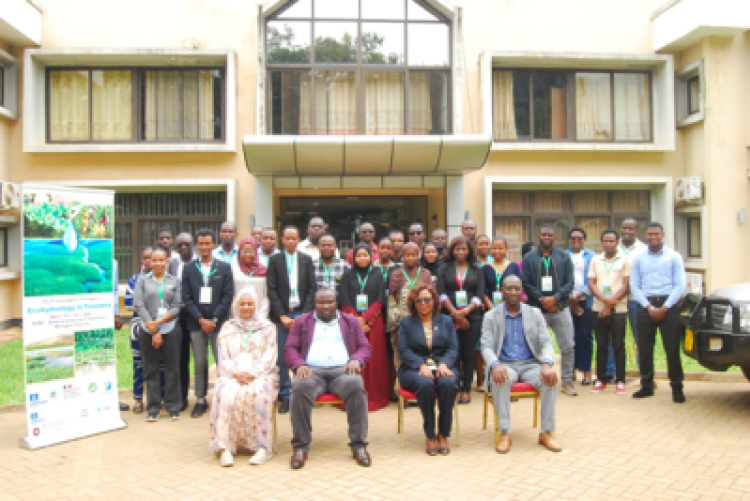
Figure 1: Group photo of trainees and facilitators
Key partners in this event were: Sokoine University of Agriculture Tanzania, French Embassy, OIKOS East Africa, UNESCO Chair on Ecohydrology: Water for Ecosystems and Societies - University of Algarve Portugal; and UNESCO Chair on Interreligious and Intercultural Dialogues, Water Sciences, Natural Resources and Ecosystems - ST. Andrew’s College of Arts, Science and Commerce, Bombay India.
Preamble
Climate change is currently considered as the most severe and devastating environmental catastrophe facing the globe. It is the latest in a series of drivers of global environmental change that have been identified following other environmental disasters such as drought, desertification, land degradation, failing water supplies, pollution, deforestation, fisheries depletion, and ozone depletion. Climate change is expected to have adverse effects in developing countries mainly due to their geographic exposure, low income, greater reliance on climate-sensitive sectors and weak capacity to adapt to the changing environment.
Africa is probably the most vulnerable continent to climate change, not only because of the dependence of many of its economies on agriculture, but also because of the presence of other environmental stresses besides climate change. These are rapid population growth, land degradation, prevalence of human diseases and widespread poverty all of which have negative impacts on the sustainable management of ecosystems. Rainfall irregularities coupled with rise in annual mean temperature have significantly affected smallholder farmers and livestock keepers who depend mainly on these sectors for subsistence. Climate change affects also watersheds, rivers, wetlands, and marine environment. Thus, the nexus between Climate Finance-Protected Areas Conservation-Marine Resources Management can create synergy for resilience, restoration and sustainable conservation of different resources base. Ecohydrology, is therefore, an integrative and inter-disciplinary science for restoration of degraded landscapes. The usefulness of Ecohydrology can be realised through the implementation of nature-based solution practices as adaptation strategies against extreme weather events.
Objective of the training
To build the capacity of participants on climate and green finance, catchment management and Ecohydrology nature-based solutions (NbS) for sustainable flow of ecosystem services and resilience to the changing climate.
Training content
Some of the topics covered during this 9th training comprised of:
- Ecohydrology and its Potential for Water Resources Management
- Wetlands: Why They Matter and How do We Manage Them?
- Landscape-based Climate Finance Contribution to Net Zero Emission
- Biomass Energy in Climate Change Mitigation: Experience from Brequettes Production
- Zonation of Transboundary Biosphere Reserves
- Microalgae & Cyanobacterial: A Dual win Agroecological Solution for Resilient Food System
- Community and Youth Leadership in Conservation: What Actually Works?
- Introduction to French Language for Beginners II
A total of 28 trainees (13 females and 15 males) participated in this event. These were BSc, MSc, and PhD holders and students from academic and research institutions, the central government, the local government authorities, ministries, NGOs, and the private sector attended this 9th Ecohydrology training.
Among others, trainees from the central government were from the Vice President’s Office, Ministry of Livestock and Fisheries, National Environmental Management Council; from the Local Government Authorities (Mkinga, Ulanga, Handeni, Mbulu and Kibaha); Conservation NGOs (Catholic Relief Services, Water for Nature and Biodiversity and OIKOS East Africa) and Democratic Republic of Congo.
On the other hand, instructors were from Sokoine University of Agriculture (SUA), National Environmental Management Council (NEMC), Wetland International (WI), International Union for Conservation of Nature (IUCN) and Democratic Republic of Congo (DRC).
Highlights of the training
Drs. Amina Hamadi, Christian Colonel and Richard Madege from SUA and Dr. Rose Sallema Mtui giving their presentation during this particular training (Figure 2).
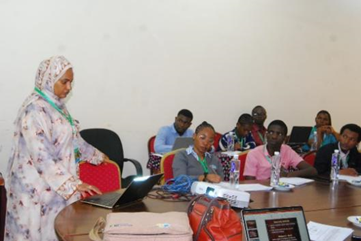
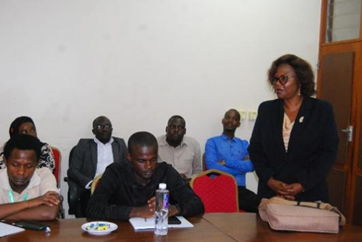
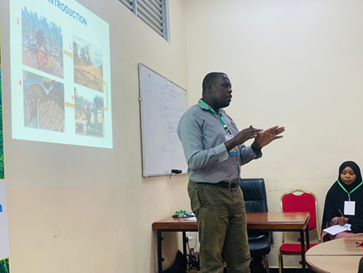
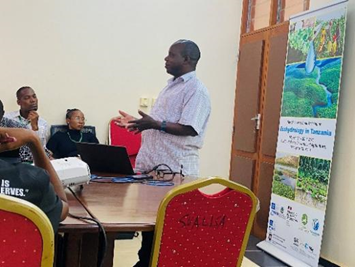
Figure 2: Facilitators from SUA and NEMC sharing their experience during the training
Furthermore, the training involved the sharing of experiences and lesson learnt from NGOs engaging in conservation activities. For example, representative from OIKOS east Africa and the Catholic Relief Services (CRS) gave overviews of that they are implementing in Arusha and Kigoma Regions respectively (Table 3).
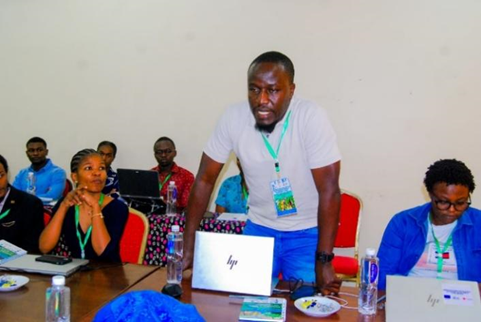
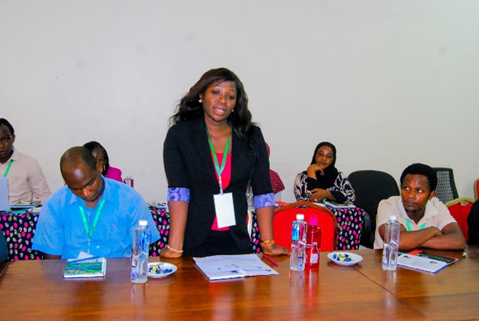
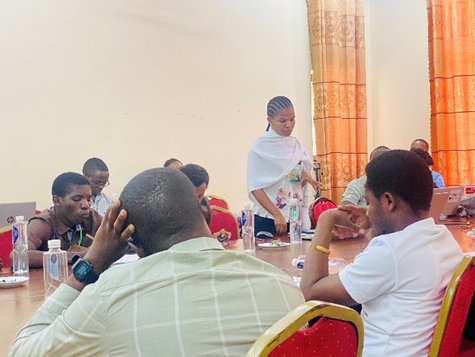
Figure 3: Representative from the Catholic Relief Services (CRS), Water for Nature and Biodiversity Africa (W4NBA) and OIKOS East Africa
On March 19th, the Guest of Honor (Mr. Keven Robert - Representative of UNESCO Country Representative) officiated the closing ceremony of this 9th Ecohydrology training.
The Guest of Honor urged trainees to make use of Ecohydrology knowledge for enhancement of sustainable flow of ecosystem services. He said that the theme of this 9th training i.e. Climate Finance-Protected Areas Conservation-Marine Resources Management Nexus: An Ecohydrology Approach highlights crucial aspects of environmental management.
Furthermore, he said that “the climate finance creates a powerful framework to mitigate climate impacts while ensuring ecosystem sustainability and biodiversity conservation. In this context Ecohydrology is considered as a new paradigm shift for environmental sustainability as indicated in the training theme”.
Ultimately, the Guest of Honor presented certificates of attendance to trainees (Figure 4).
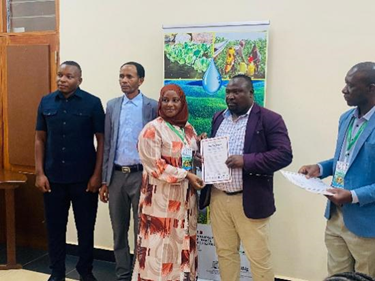
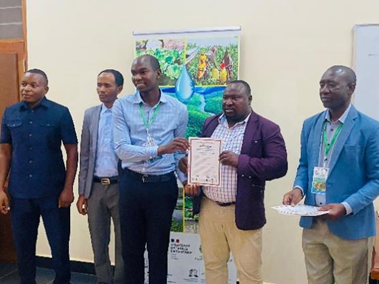
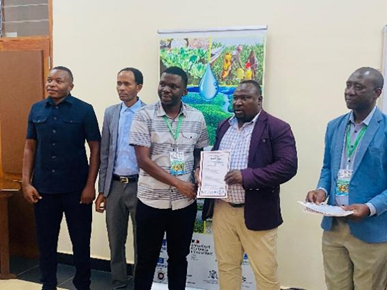
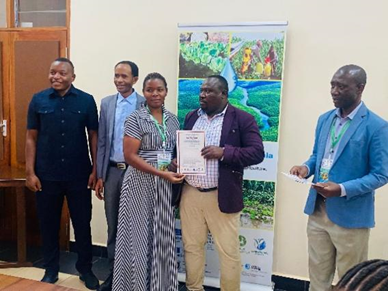
Figure 4: The Guest of Honor offering certificates to trainees during the closing ceremony
Furthermore, the Guest of Honor conveyed gratitude thanks to the sponsor who contributed to the success of this 9th Ecohydrology training (Figure 5).
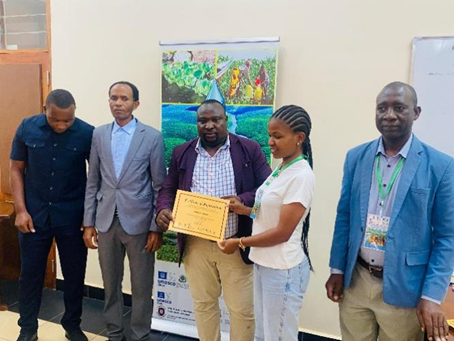
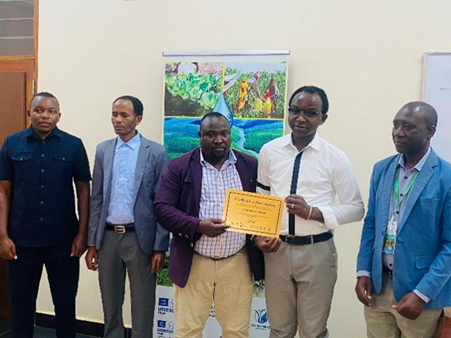
Figure 5: Representative from sponsors receiving certificate of appreciation for supporting the training
Below are some of the pictures of the 9th training (Figure 6)
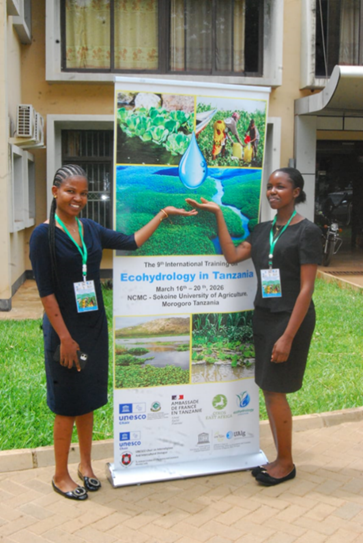
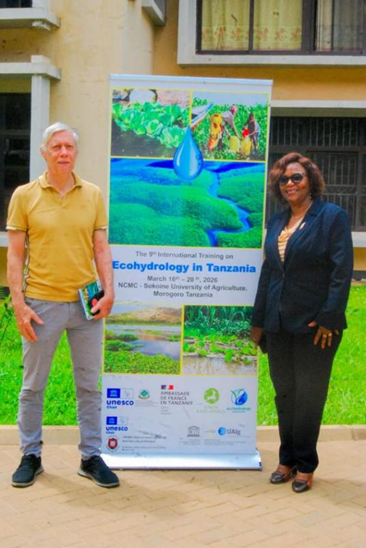
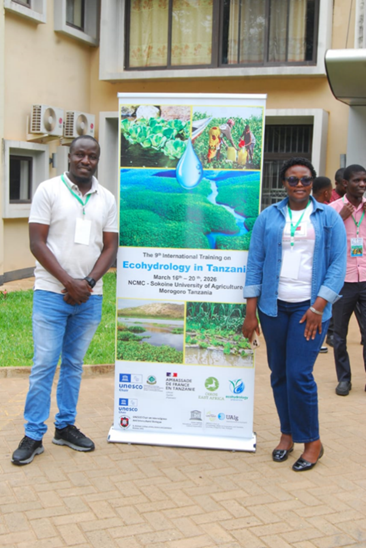
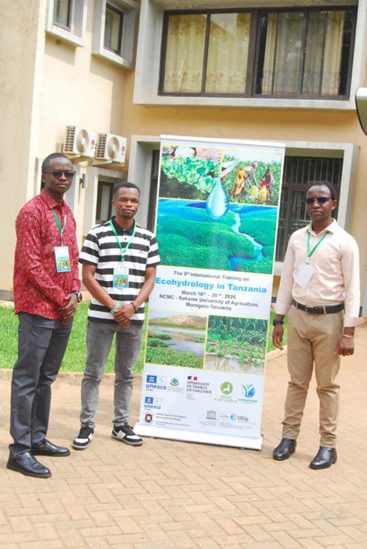
Figure 6 : More photos of the event at NCMC
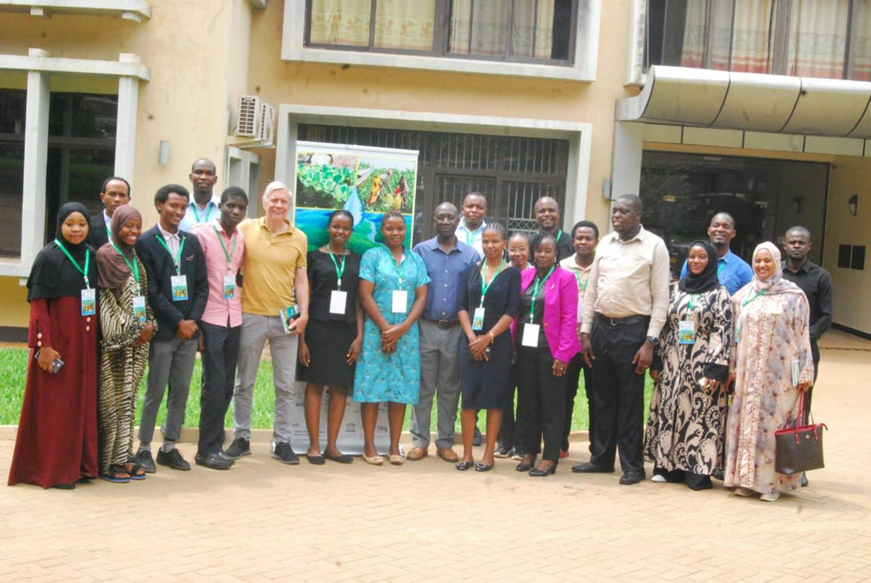
Figure 7: Trainees with the representative of French Embassy Prof Jean Luc Paul
Future plans and way forward
- To organise the 10th training scheduled to take place in November 23rd - 27th, 2026
- Preparation of the proposal for the UNESCO demosite establishment in Tanzania
- Preparation of sites for the implementation of nature-based solutions (NbS)
For more information, contact:
UNESCO Chair on Ecohydrology and Transboundary Water Management,
College of Natural and Applied Sciences, Sokoine University of Agriculture,
IAGRI Building, Ground Floor, Office No 17, P.O.
Box 3038 Morogoro TANZANIA
E-mail: lalika_2mc@sua.ac.tz; makarius.lalika@yahoo.com
WhatsApp: +255 754 201 306
Share this page


