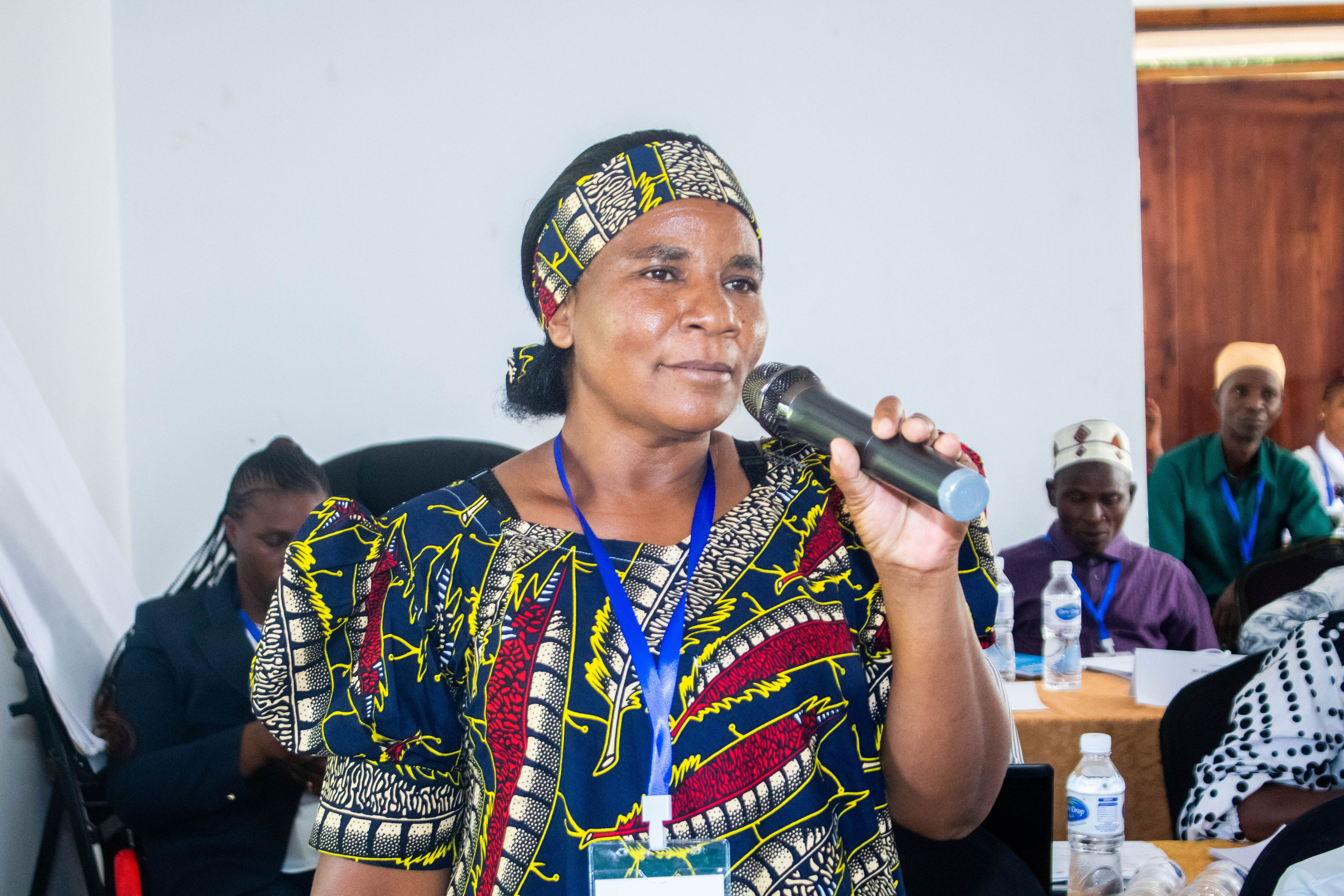
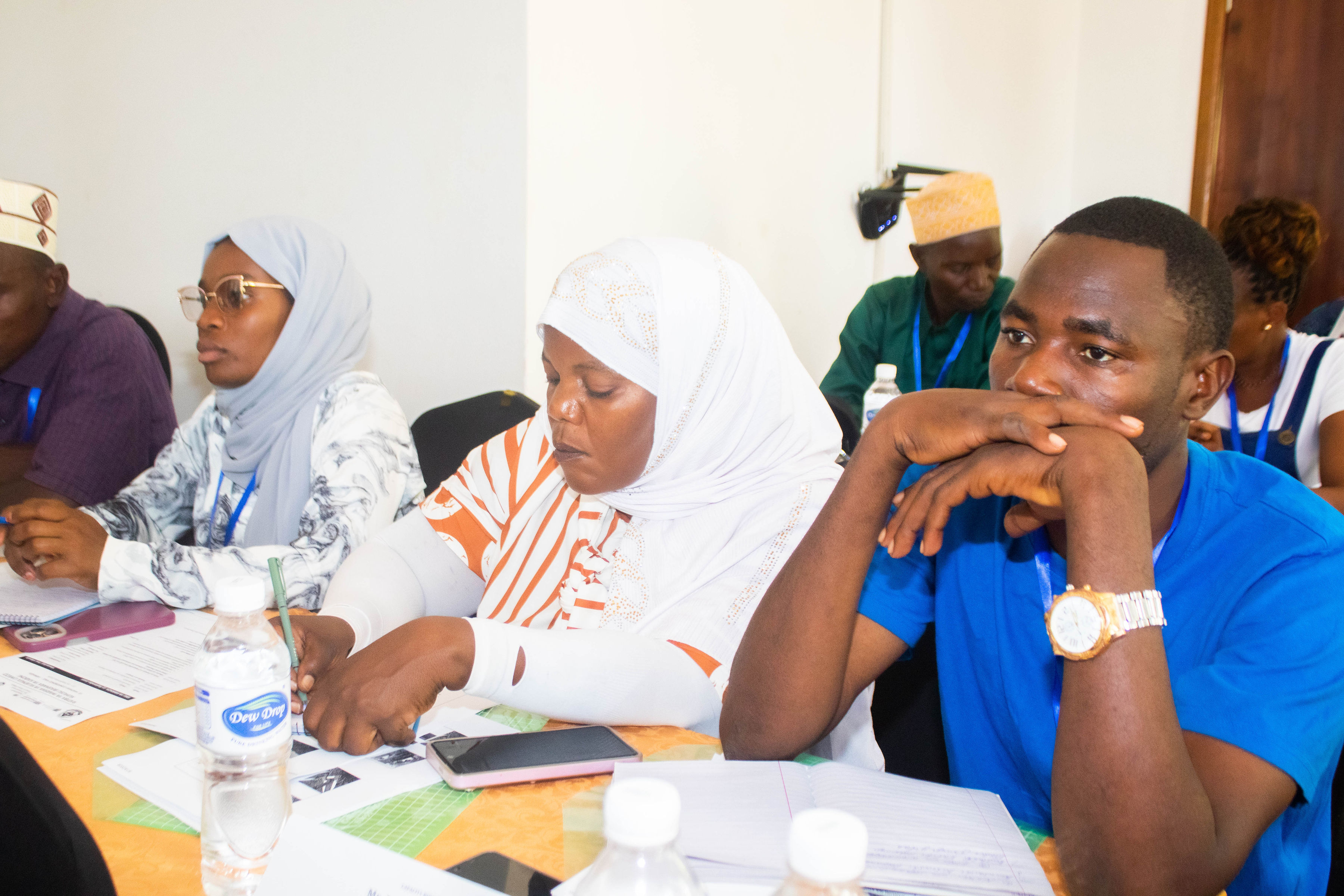
Sokoine University of Agriculture (SUA), through the Project on Assessing Carbon Credits as a Sustainable Funding Mechanism for Participatory Forest Management in Tanzania, has strengthened the capacity of government officials and community members from areas with village forest reserves, including villages participating in carbon trading to enhance shared understanding of village forest management, key requirements for entering carbon markets, relevant guidelines and regulations.
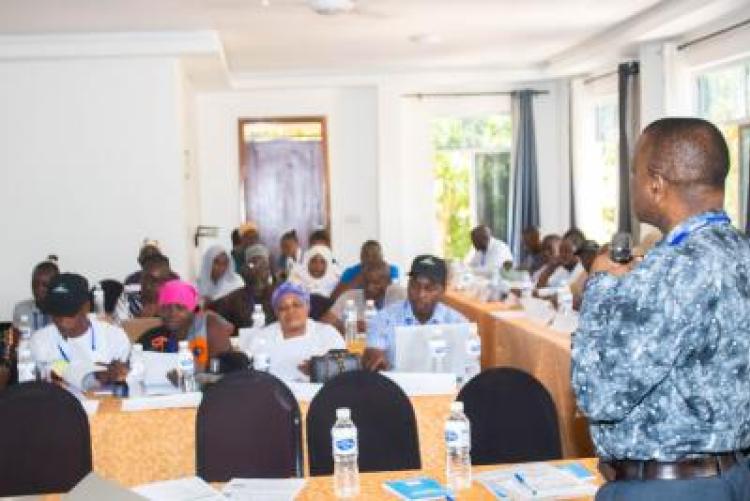
Opening the workshop, Dr. Siima Bakengesa, Senior Forest Officer from the Ministry of Natural Resources and Tourism, said the training was important in strengthening biodiversity conservation and addressing climate change through participatory management of village forests, workshop brought together stakeholders from government and non-governmental organisations, as well as community representatives from Tanganyika, Mbulu, Mvomero, Mwanga and Korogwe.
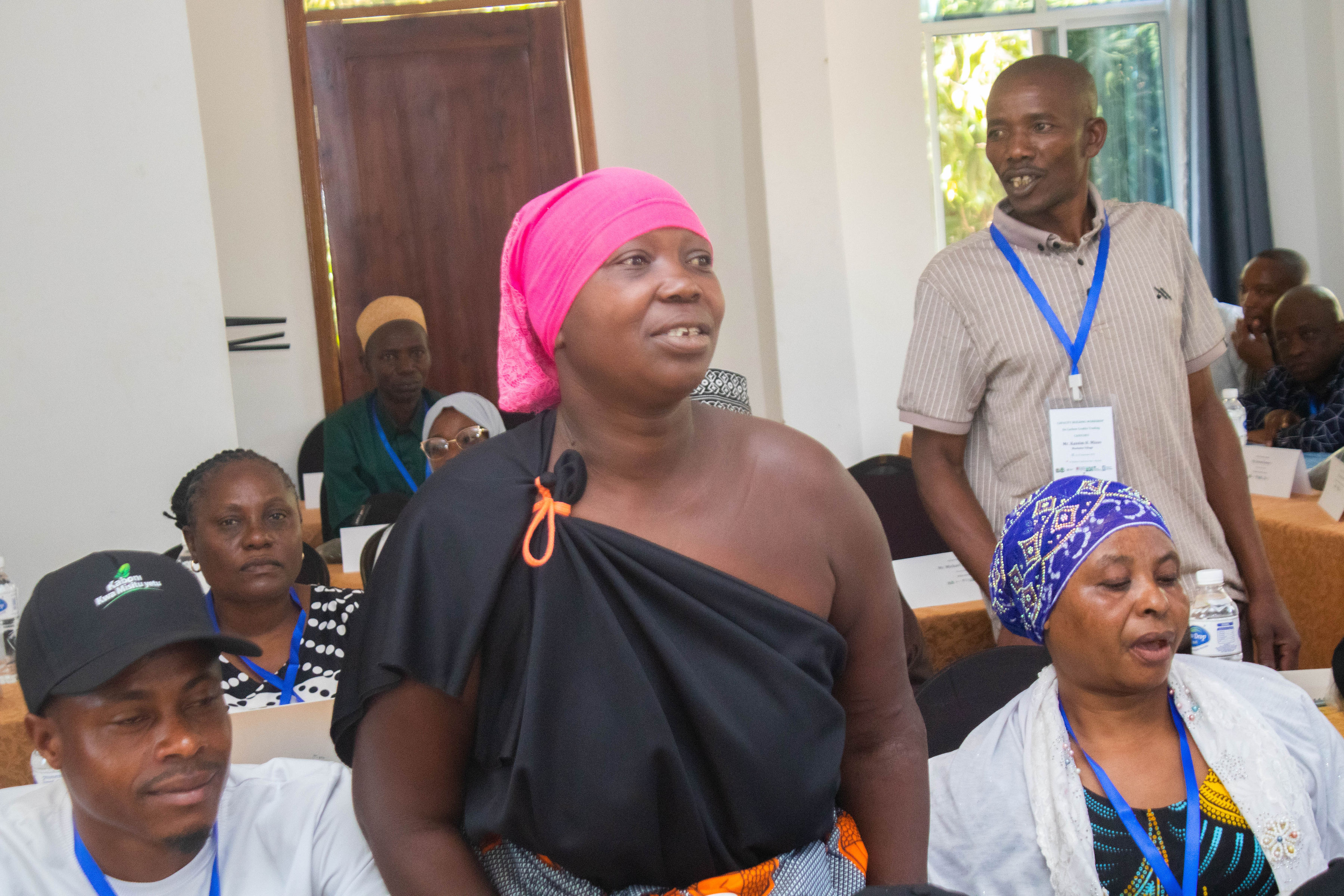
The Principal Researcher (PI) Dr. Kajenje Magessa Nkukurah said SUA believes the training will enable villages that have not yet entered carbon trading to make informed decisions about their participation while strengthening governance and management of carbon revenues at the village level.
She added that the project also aims to strengthen the capacity of communities in villages whose forests are involved in carbon trading so that they can continue to derive economic benefits, while ensuring that carbon revenues contribute to the sustainable management of village forest reserves and broader community development.
Speaking about the implementation of carbon trading in Tanganyika District, Mr. Bruno Mwaisaka Forest Officer at the Tanganyika District Council said the district has received more than TZS 34 billion from carbon trading, the revenues have contributed to improving community welfare through the construction of schools and health facilities as well as providing temporary employment opportunities.
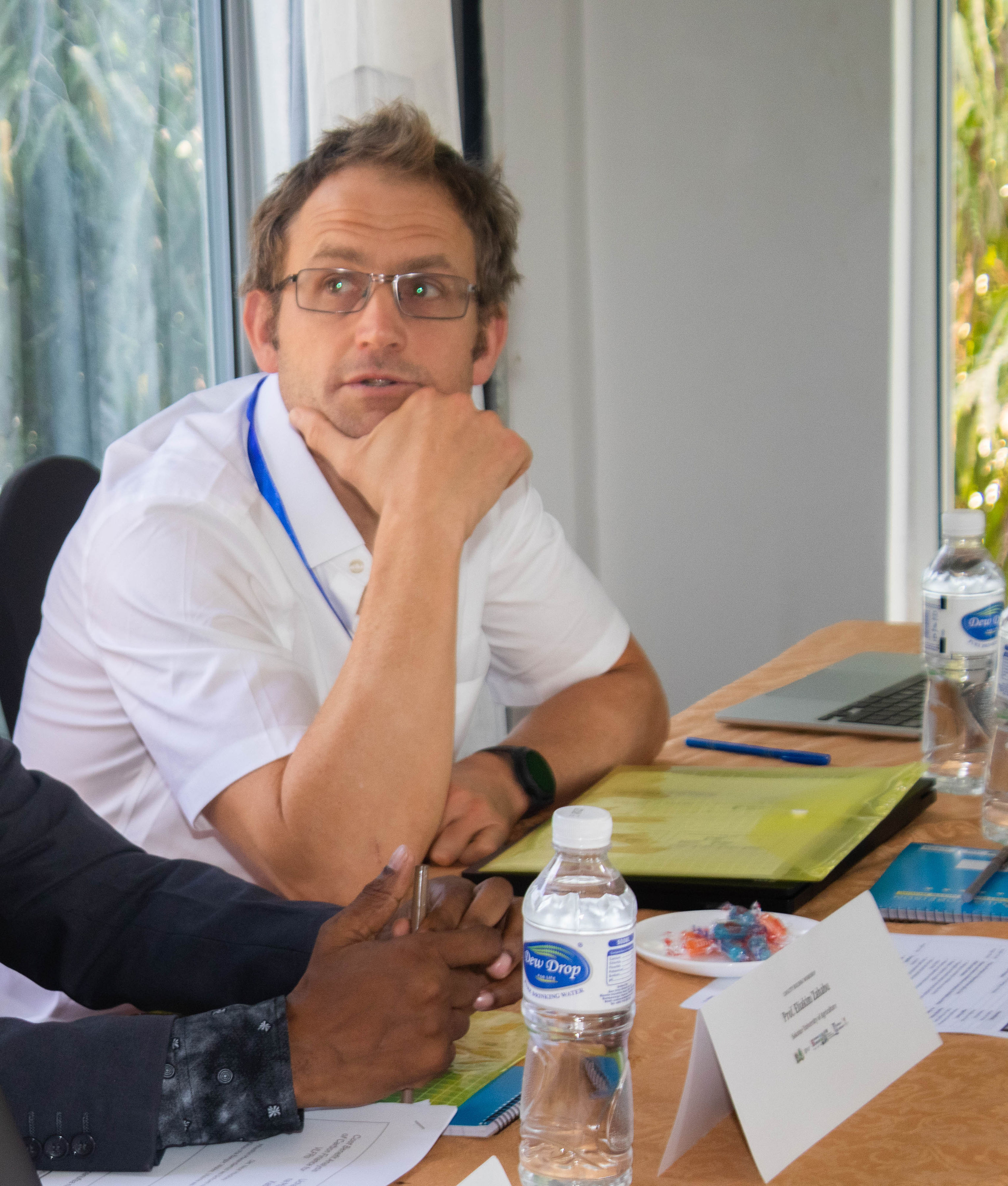
Meanwhile, Dr. Neal Hockley Researcher and Senior Lecturer at Bangor University, UK said communities assessing carbon trading should carefully consider both its benefits and costs by comparing them with other economic activities, including agriculture.
The Project on Assessing Carbon Credits as a Sustainable Funding Mechanism for Participatory Forest Management in Tanzania is a three-year project led by SUA in collaboration with the National Carbon Monitoring Centre (NCMC) and Bangor University, UK. The project is funded by Defra through the Global Centre on Biodiversity for Climate (GCBC), DAI, ISPF, and the UK Government’s international development support.
Share this page


